Twenty-four performers share one visual universe while covering the rhythm, melody, voice, effect, and extra layers needed to build a complete mix.
Designed as one flexible crew
Neon Howlers is the launch team for Beat Critters. The roster is intentionally broad: characters are organized by musical purpose, but their personalities and visual silhouettes make every choice easy to recognize on a small screen.
The current architecture supports future teams with their own character art, sound libraries, stages, and style variations. A new team can expand the universe without changing the core drag, place, solo, mute, and performance interactions.
Complete roster
Every member has an individual profile and two loop previews.
Future Beat Critters teams can introduce a fresh art direction without making existing characters obsolete. Teams will remain separate collections in browsing and customization, while compatible sound roles allow players to understand a new roster quickly. The first prototype keeps one team active so interaction, responsive staging, and audio behavior can be tested before the universe grows.
Why the roster is organized into families
Five sound families create a vocabulary that works before a player knows any character names. Beats establish time, melodies provide musical direction, voices add identity, effects create motion, and extras bridge the gaps. Characters retain their own personality inside that structure, so browsing never feels like reading a technical sample library.
The roster also supports different ways to begin. A rhythm-focused player can compare Koda, Riff, Tiko, Bruiser, and Zip. Someone drawn to hooks can start with Luna, Mello, Sunny, Juno, or Ripple. Visual preference remains valid too: a favorite silhouette can lead to discovering a musical role the player would not have searched for by name.
A foundation for multiple teams
Beat Critters is built so future teams can define new names, artwork, loops, categories, traits, style variants, and default stages as data. Shared interaction rules remain stable: the tray shows availability, the stage accepts seven performers, position controls stereo balance, and performance mode removes the editor. That separation lets the universe grow without rebuilding the game for every collection.
Neon Howlers remains the only launch team during prototyping. Keeping one complete roster in focus makes it possible to test clarity, audio compatibility, responsive layouts, save data, and accessibility before introducing additional creative systems.
Design note
Team identity extends beyond matching outfits. Shared color language helps the roster feel connected, while silhouettes, faces, proportions, and accessories keep performers readable at phone scale. Sound assignments follow the same principle: every member belongs to the group but owns a part that can be recognized after a few listens. This combination supports memory, collection, and musical learning without turning character choice into a power ranking. Profiles link directly to related performers and sound families, so a visual discovery can become a practical mixing decision. Future rosters will follow the same readable pattern while adding genuinely different musical and artistic perspectives.

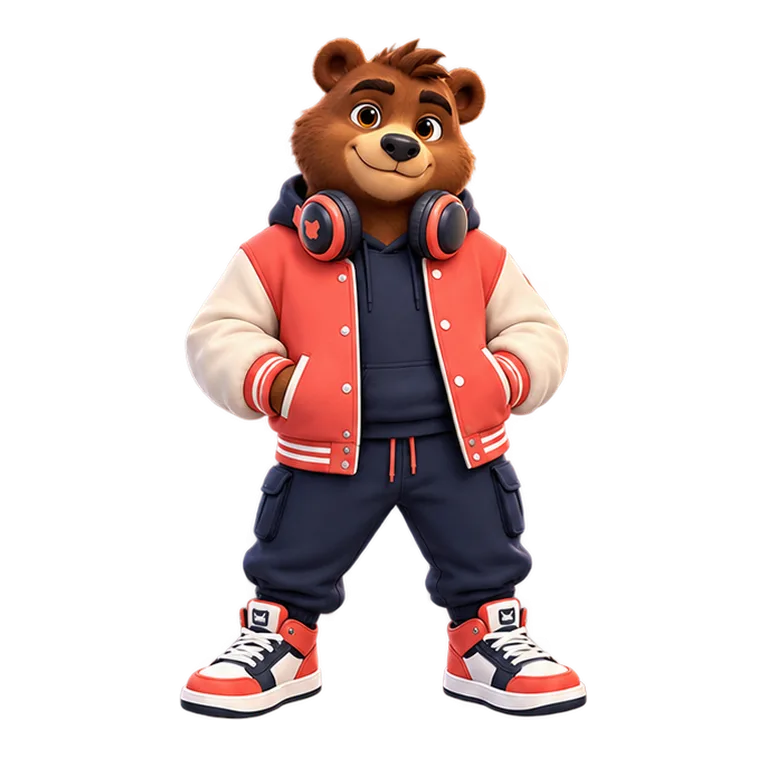
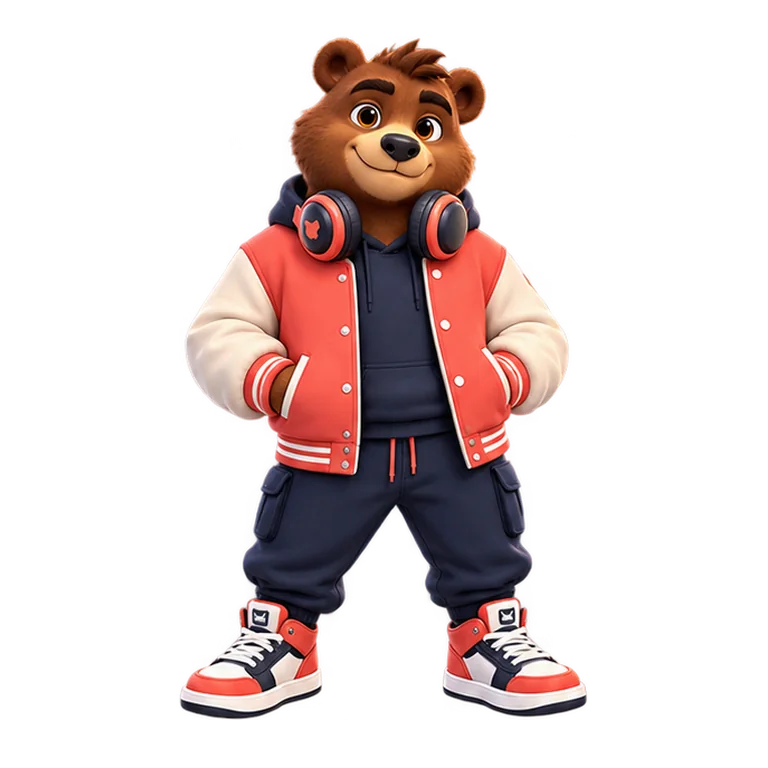 KodaMain Beat
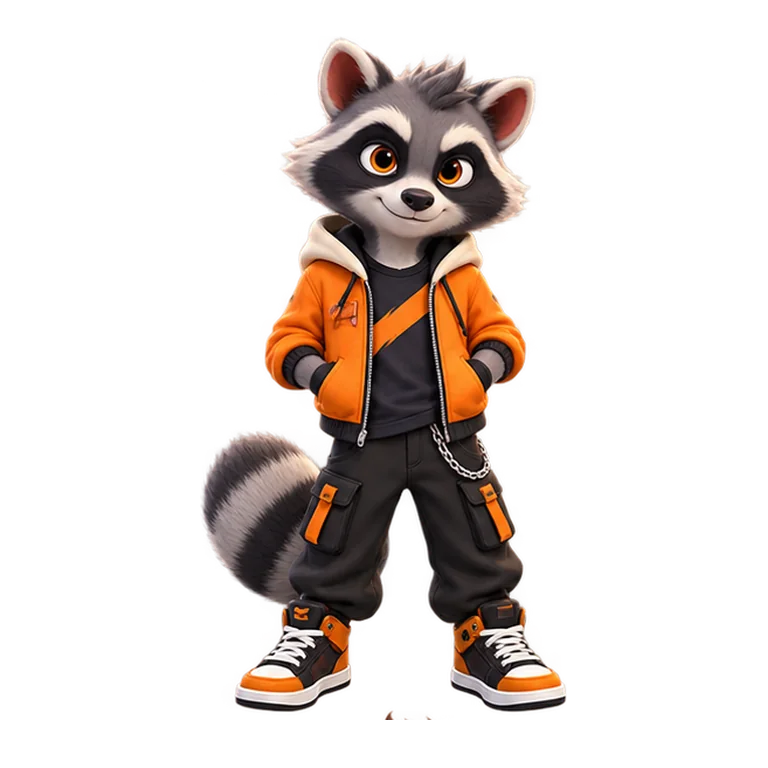 RiffBackbeat
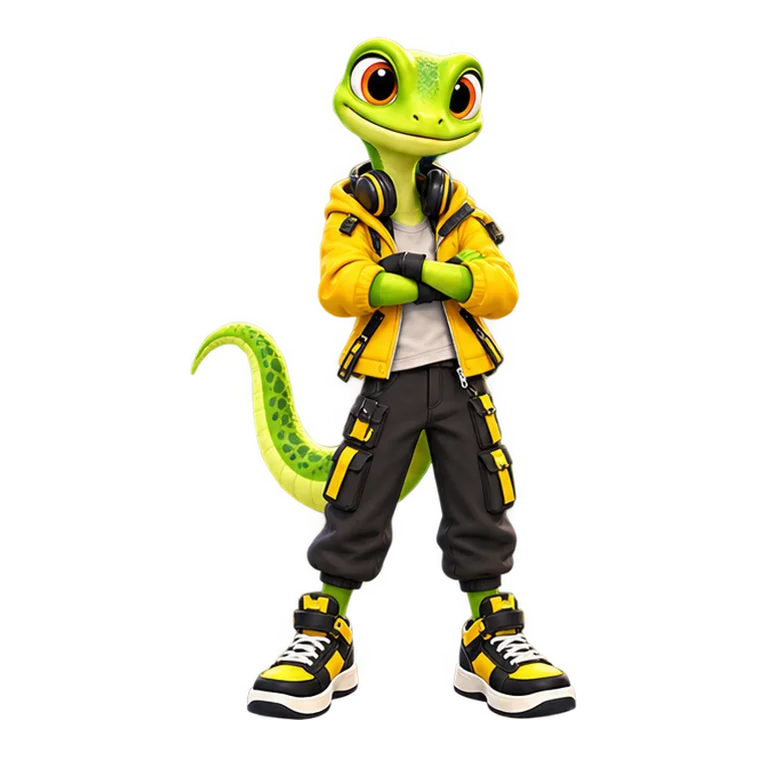 TikoPercussion
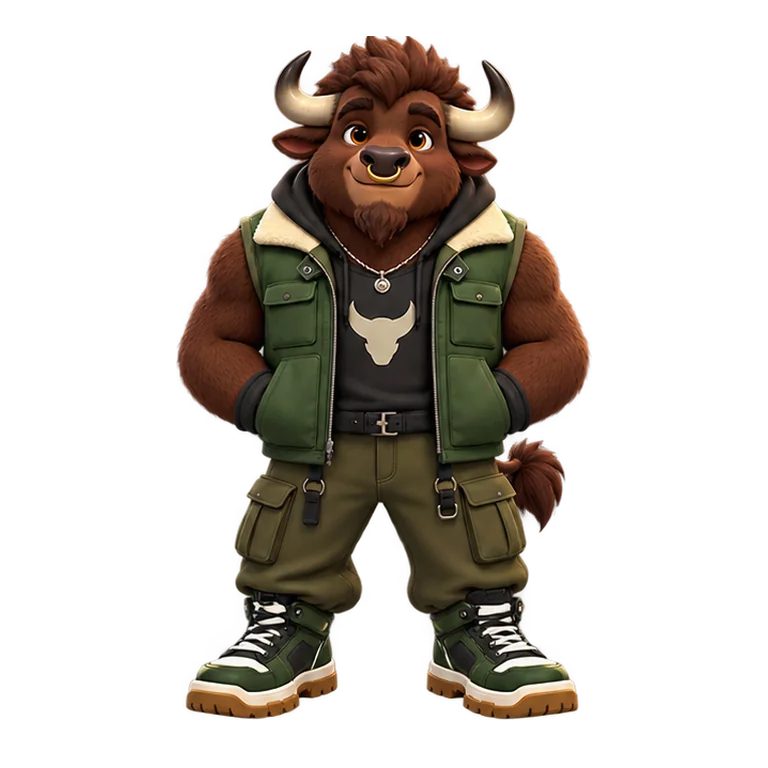 BruiserHeavy Kick
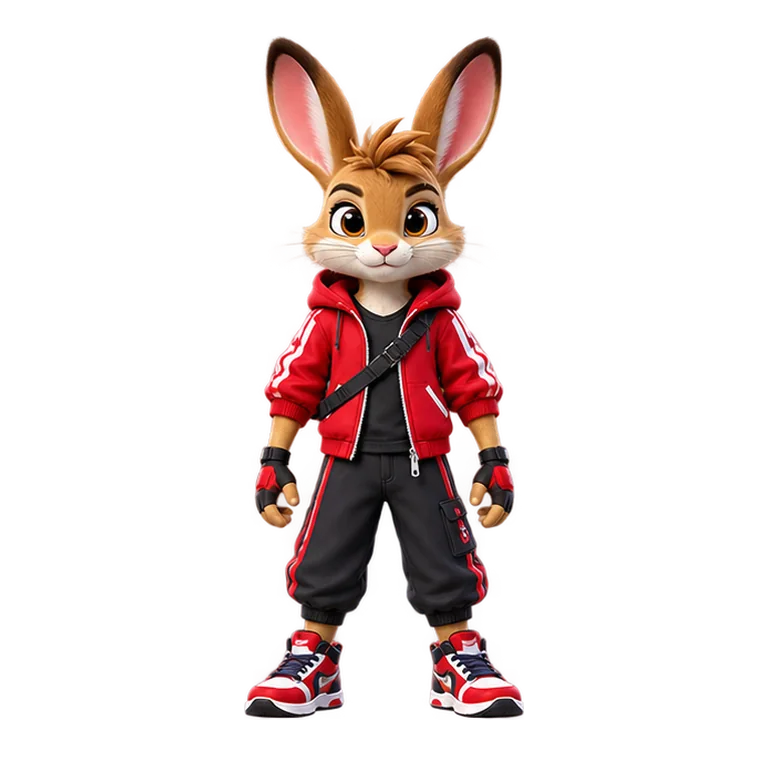 ZipHi-Hat Rush
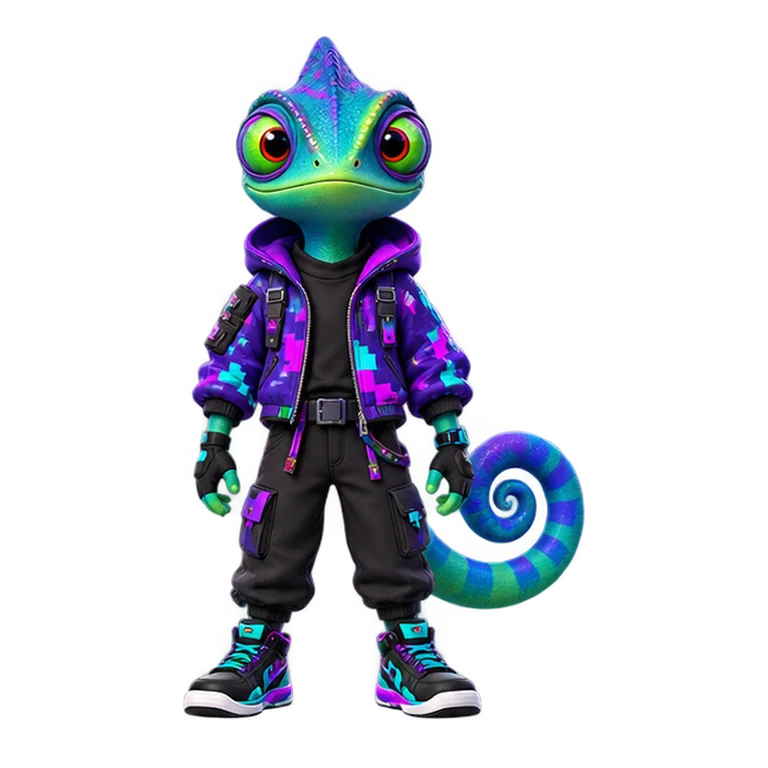 GlitchDigital Cut
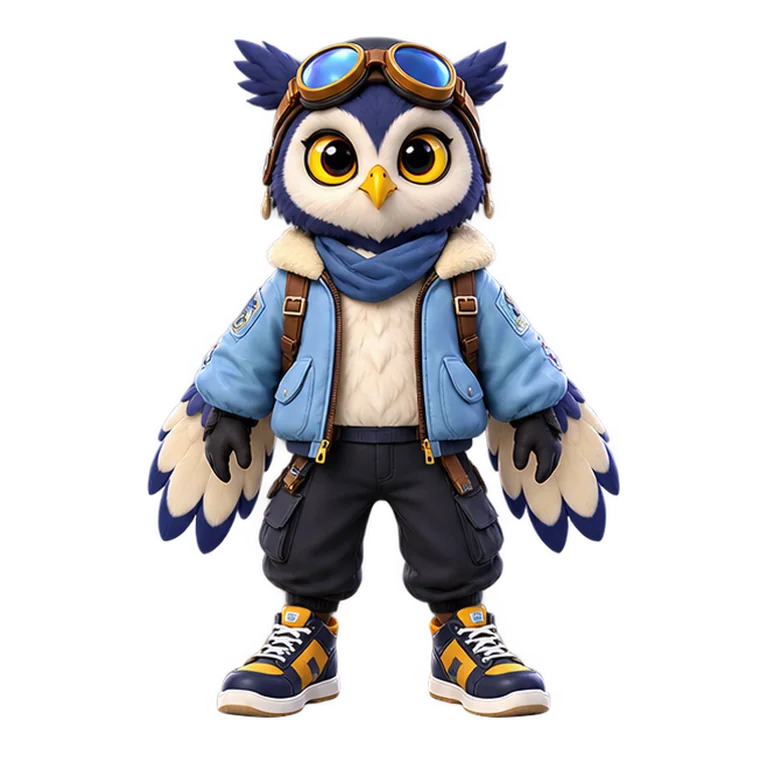 SwoopRiser FX
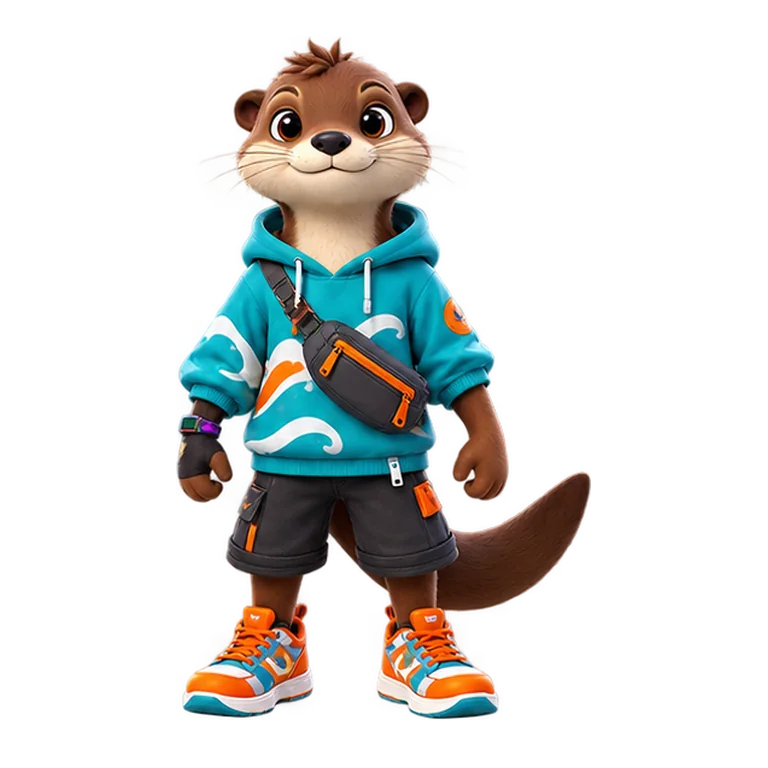 FizzBubble FX
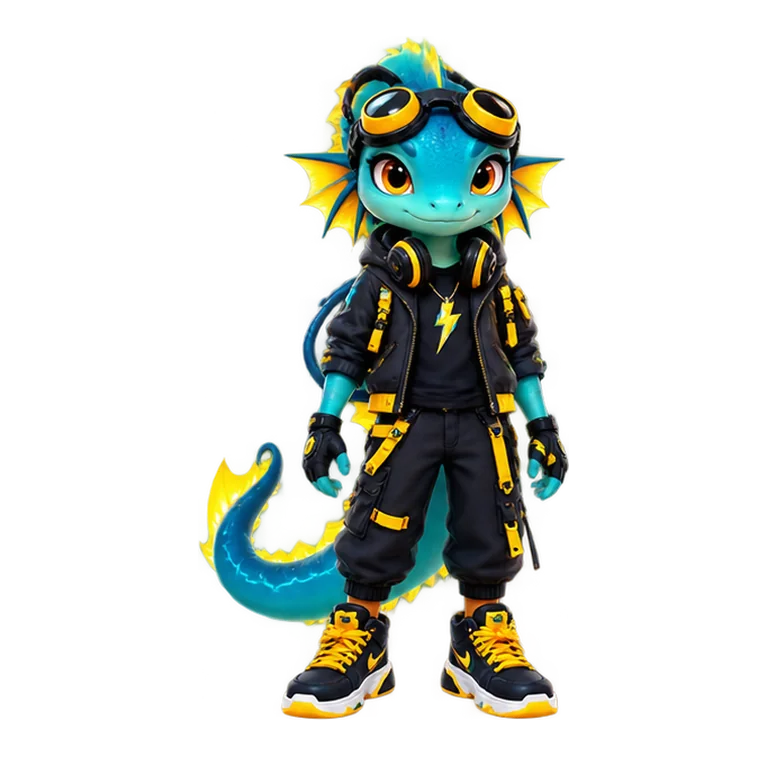 VoltElectric FX
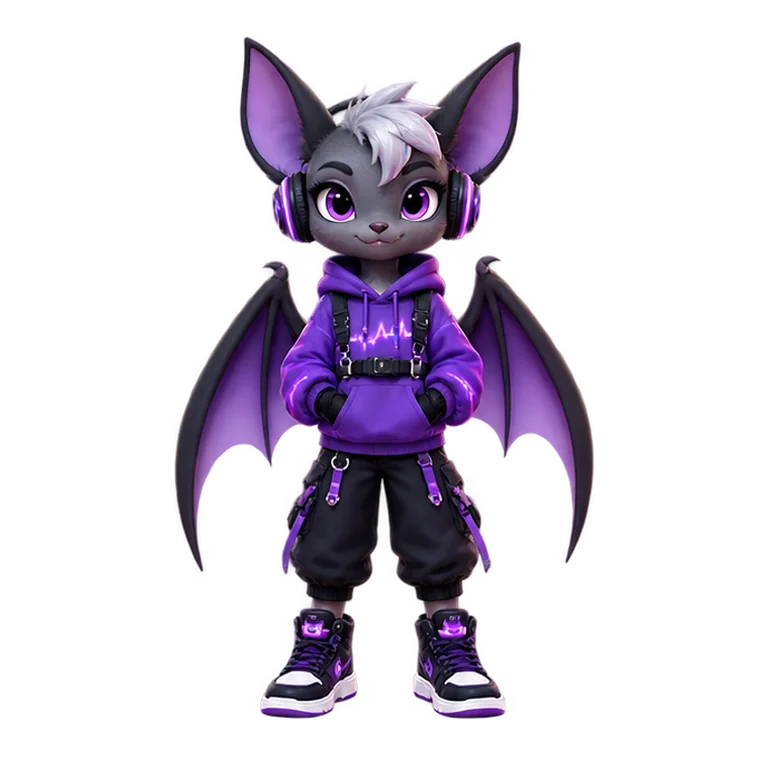 EchoSpace Delay
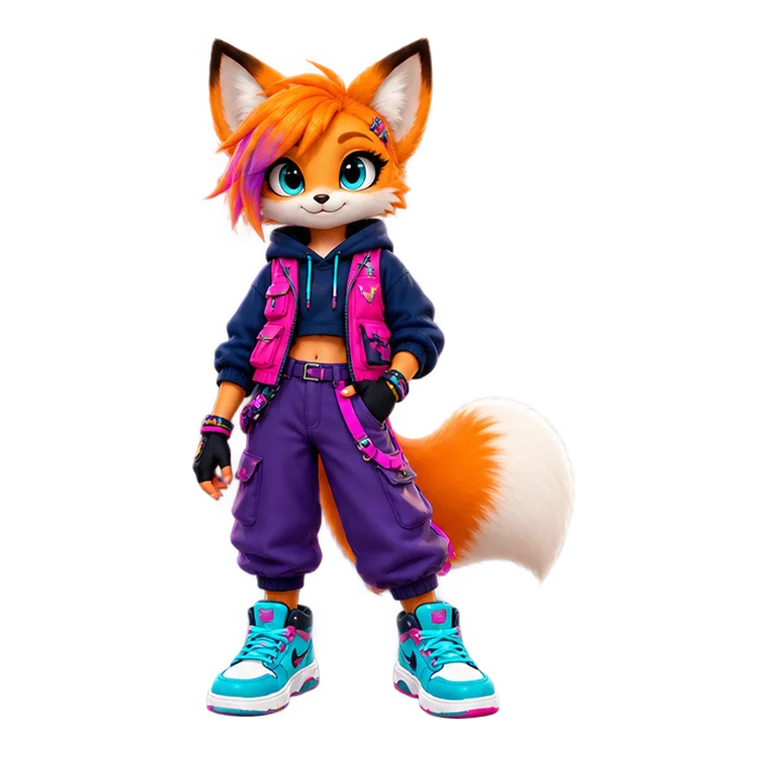 LunaSynth Lead
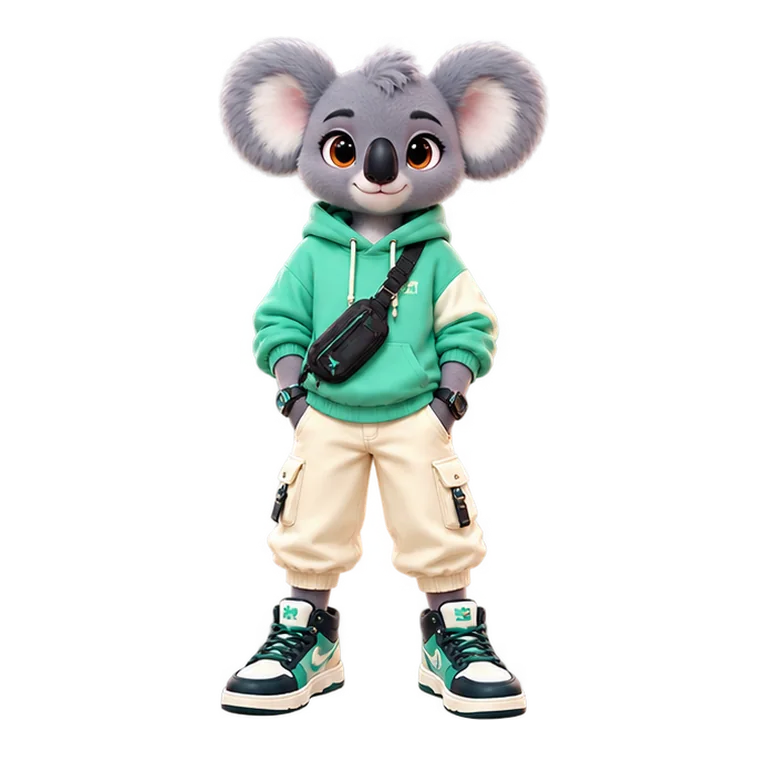 MelloSoft Keys
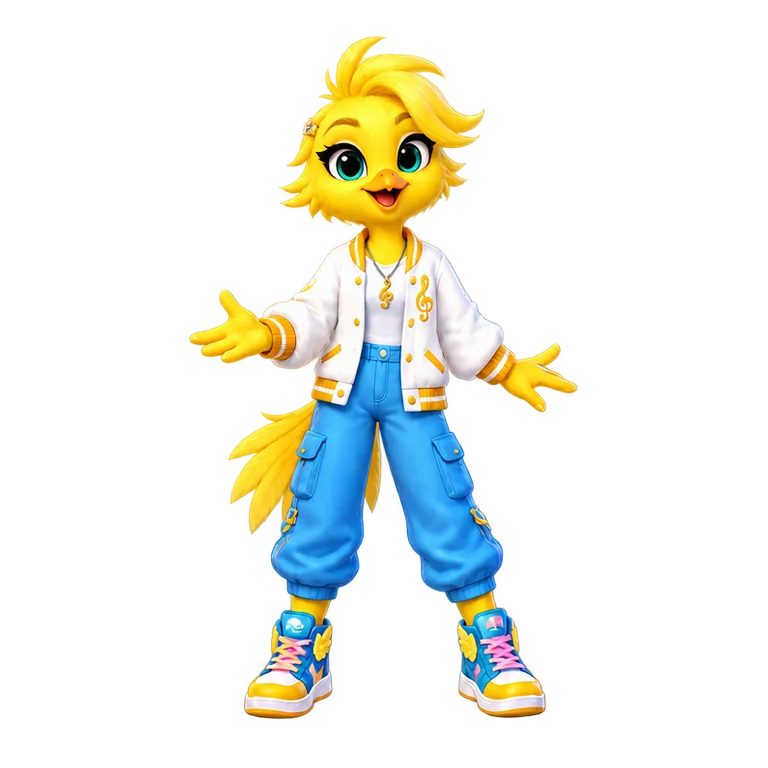 SunnyBright Pluck
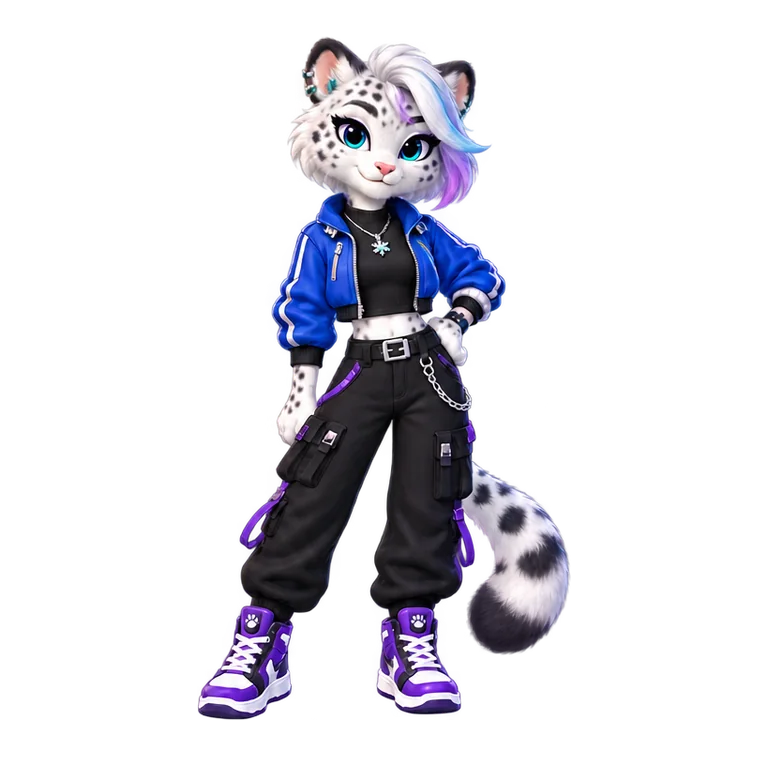 JunoDream Arp
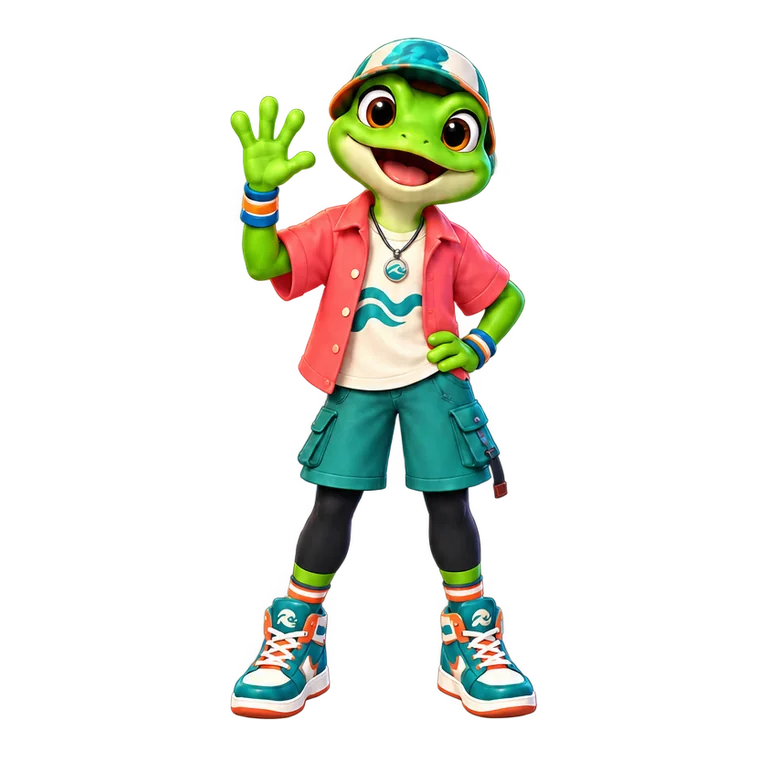 RippleLiquid Chords
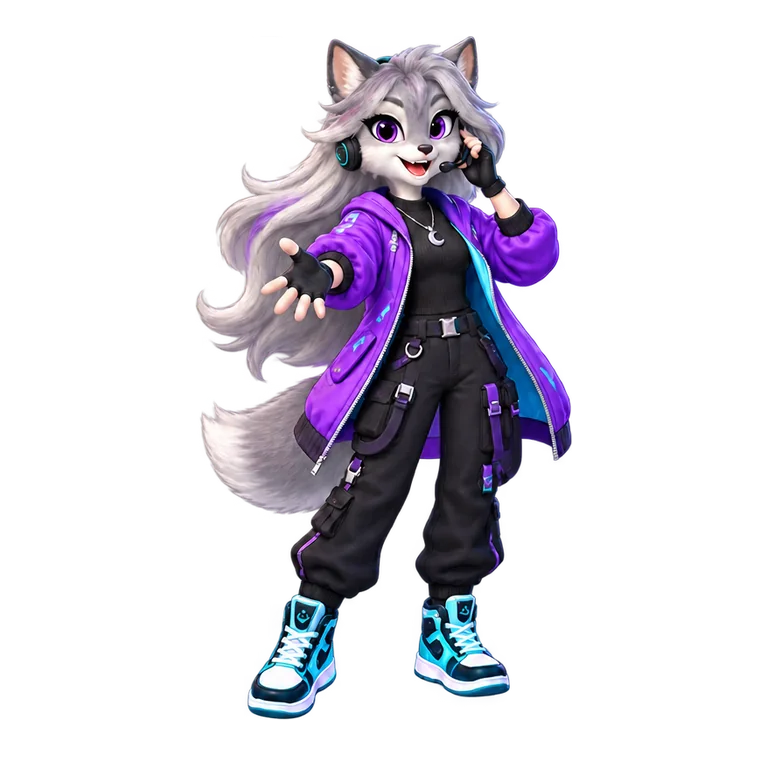 NovaDream Vocal
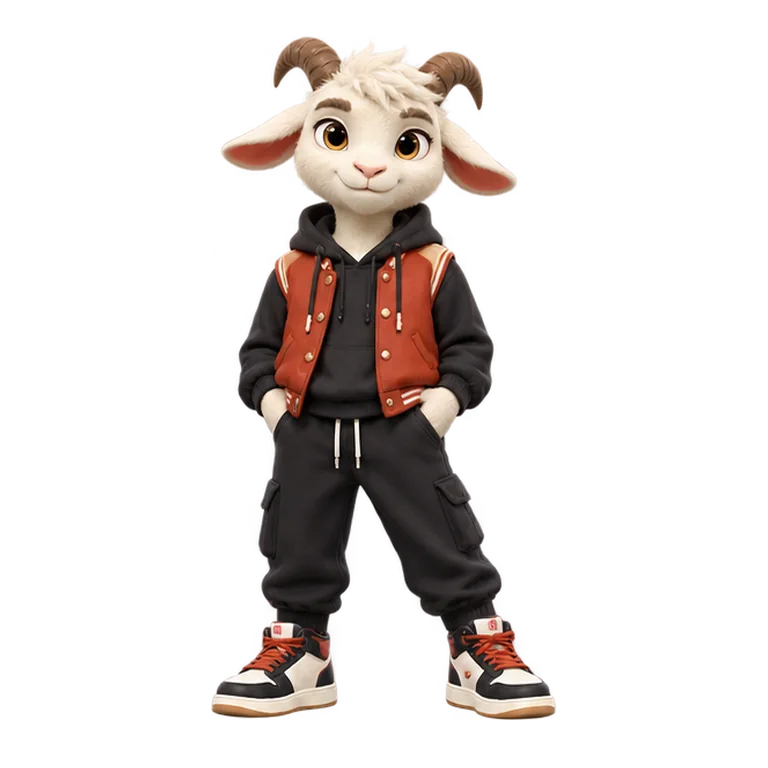 BexStutter Voice
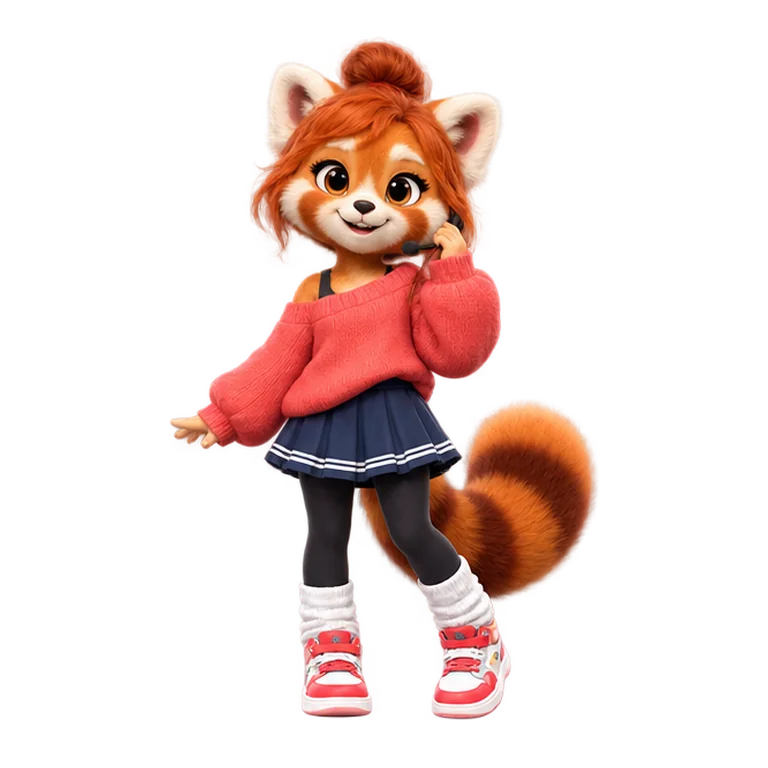 CocoSoul Chop
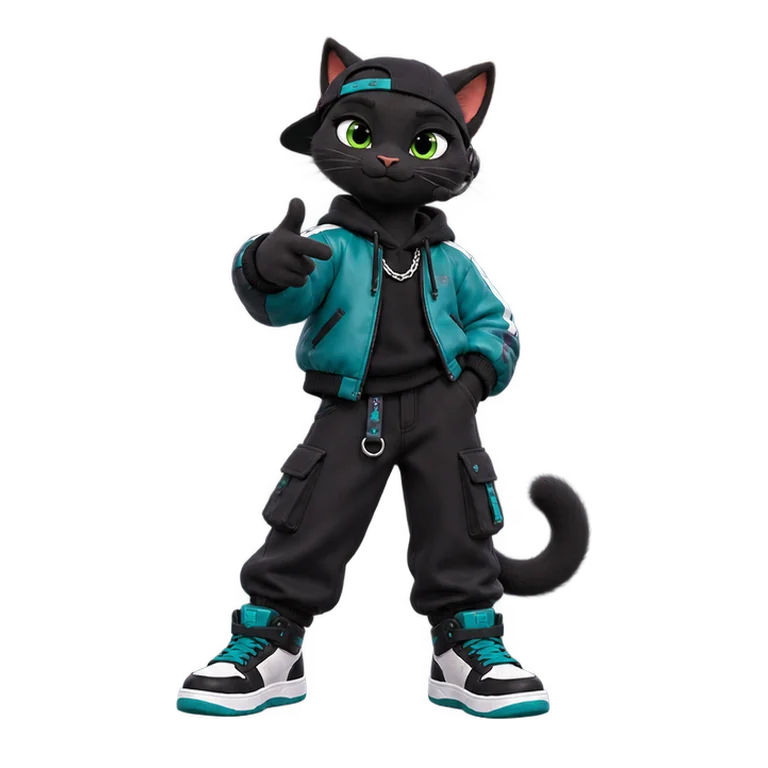 AceHook Vocal
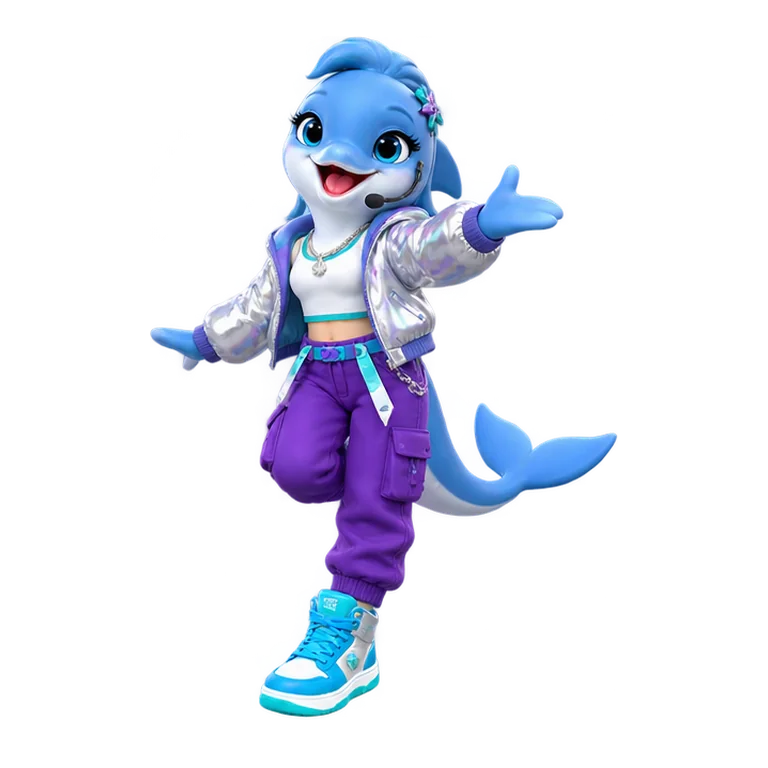 SkyeAtmosphere Voice
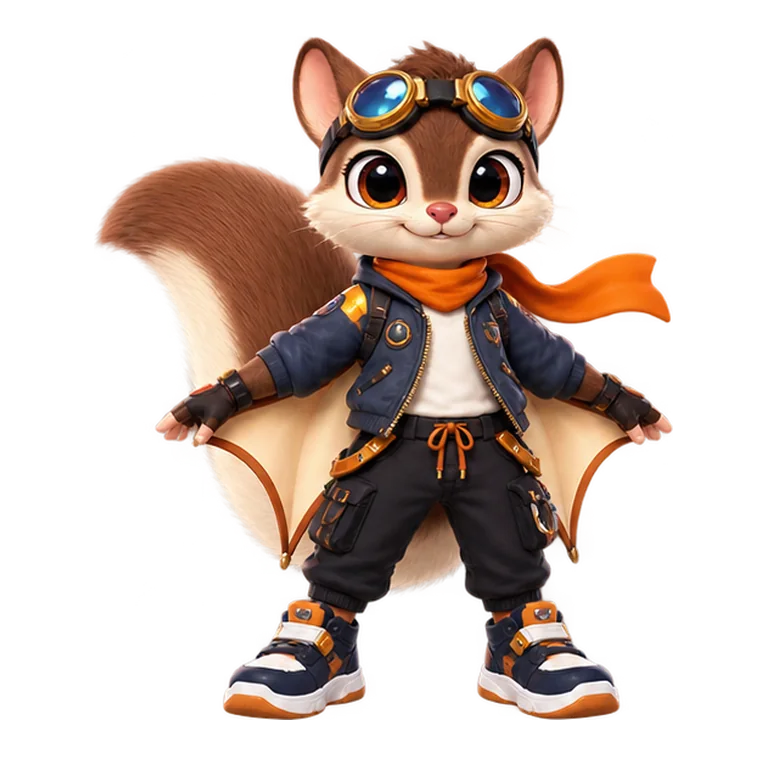 OrbitHandclap
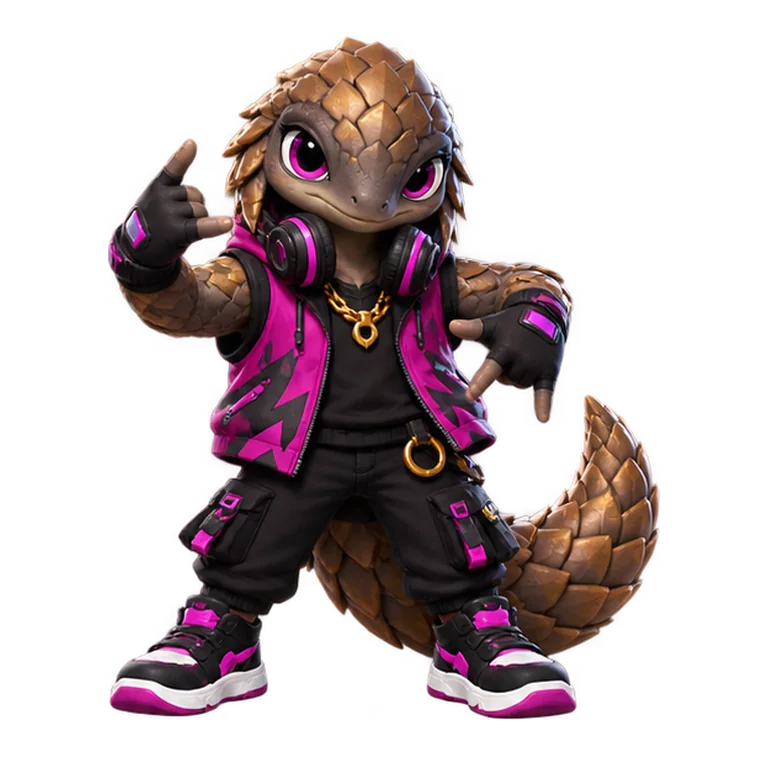 PatchAnalog Synth
 EmberPiano Spark
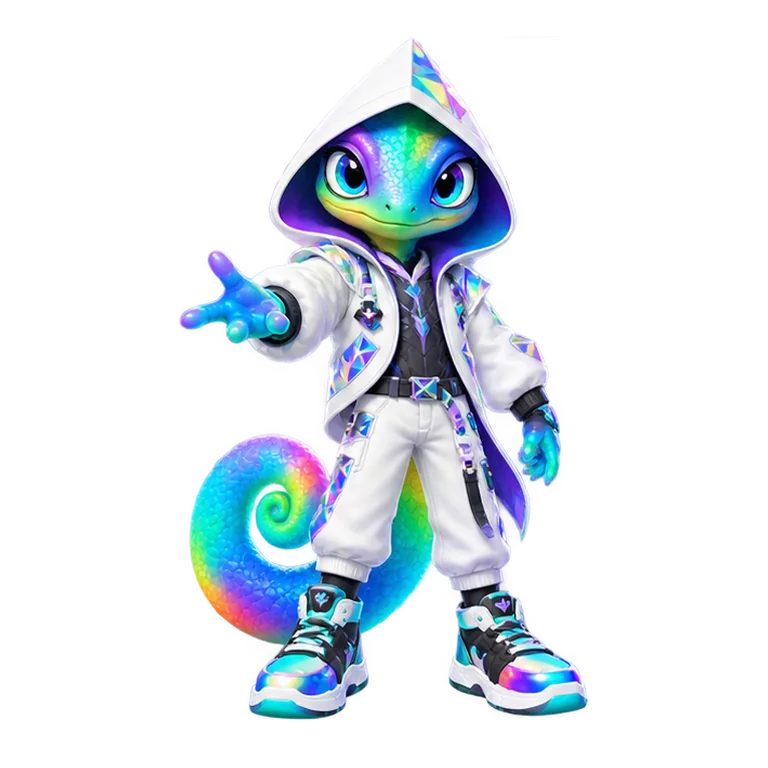 PrismTransformation FX